The Ultimate Guide to FUJI Grinding Wheels: Types, Selection, and Applications
Introduction to Grinding Wheels
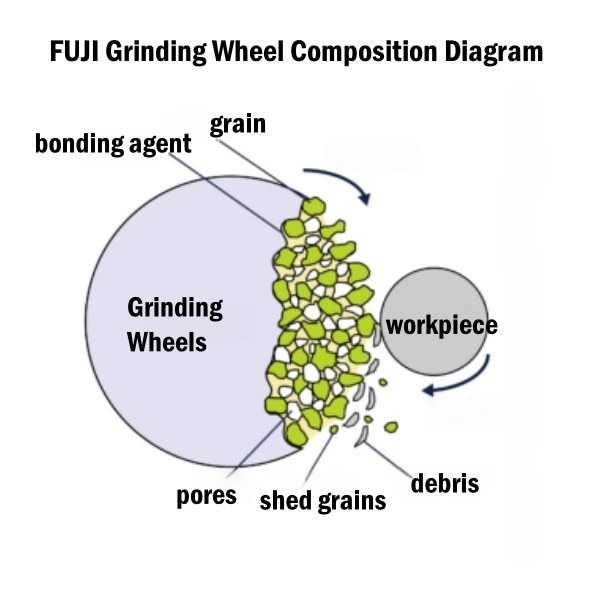
Grinding wheels are an essential part of the metal working process, specifically metal working or fabrication. Grinding wheels, also called as grinding stone, are made up of abrasive granules and layers of fiberglass bonded together in wheel shape with a different substance. The wheels are generally made with composite material. This consists of coarse-particle aggregate pressed and bonded together by a cementing matrix to form a solid, circular shape.The performance of the abrasive granules is used like small cutting tools to remove material from a work piece in an even, systematic way in formation, shaping, refining and finishing a material. Selecting the right abrasive type, grit size, bond material and wheel design are all critical steps to a tool's performance, and are each part of the performance capabilities for specific applications.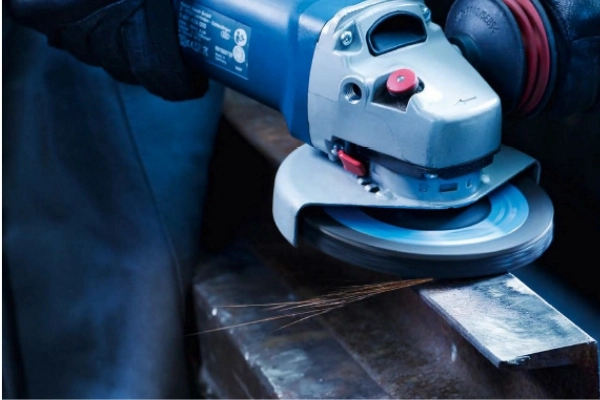
Types of Grinding Wheels
~Type 1 Straight wheel
- Straight profile wheels, usually smaller diameter (about 2-4 inches)
- Made for high-speed operations using die grinders
- Ideal for grinding off excess metal, removing welds, or rough operations requiring aggressive material removal
~Type 27 Grinding Wheel- also called as Depressed center Grinding Wheel or Offset Grinding Disc
- Most common grinding wheel configuration in the market
- Flat shape with a depressed center for better clearance
- Operates at 25 to 45 degree angles for versatile grinding applications
- Depressed center allows multiple grinding angles while maintaining safety
~Type 28 Tapered wheel
- Concave design for accessing tight areas like corners, fillets and overhangs
- Optimal performance at low angles (0-15 degrees)
- Provides more aggression at smaller working angles compared to Type 27 wheels
Grinding Wheel Specifications
The abrasive grain is the cutting element of any grinding wheel, the abrasive aggregate is selected primarily according to the hardness of the material being cut, making material selection crucial for optimal performance:
- Aluminum Oxide (A): Best choice for general steel applications - versatile, durable, and cost-effective for carbon steels, iron, and other ferrous metals. Excellent toughness for wide industrial applications.
- White Aluminum Oxide (WA): Slightly harder than regular aluminum oxide but less tough. Ideal for precision grinding, tool sharpening, or heat-sensitive materials. Provides cooler cutting action.
- Zirconia Alumina: Self-sharpening abrasive with fast cutting speed and long wear life, especially on steel and stainless steel workpieces. Maintains cutting ability under high pressures and temperatures.
- Silicon Carbide: Very hard and sharp abrasive that is fast-cutting but more friable than alumina oxide. Works well on non-ferrous metals, aluminum, and cast iron.
- Grinding wheels with diamond or CBN grains are called superabrasives. Grinding wheels with aluminum oxide (corundum), silicon carbide, or ceramic grains are called conventional abrasives.
Grit Size Selection
Grit size refers to the size of individual abrasive particles, from 10 (coarsest) to 600 (finest), determines the average physical size of the abrasive grains in the wheel, directly impacting finish quality and material removal rate:
- Coarse Grits (24-36): Aggressive material removal rate for heavy stock removal and rough grinding
- Medium Grits (46-60): Balanced performance between material removal and finish quality for general purpose grinding and surface finishing
- Fine Grits (80+): Superior finish quality for precision work or final surface preparation
Bonding and Wheel Hardness
The bond holds abrasive grains together in the wheel structure, with hardness indicated by letters (later letters indicate harder bonds):
- Softer bond: Exposes new grains faster, ideal for hard materials
- Harder bond: Longer wheel lifespan, better for softer materials
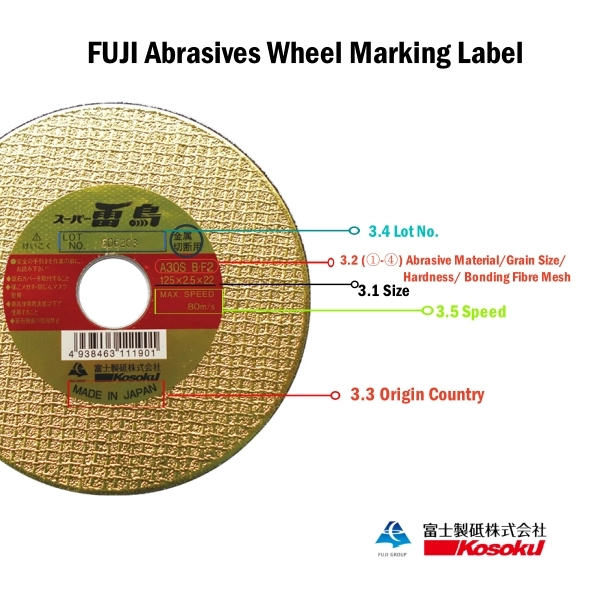
FUJI grinding wheels utilize resinoid bonds that offer optimized durability and consistent performance across various applications. From A (soft) to Z (hard), determines how tightly the bond holds the abrasive. A to H for softer structure, I to P for moderately hard structure and Q to Z for hard structure.
FUJI Grinding Wheel Solutions
FUJI Super W Series: For Stainless and Special Steel
The FUJI Super W Series represents engineering excellence for challenging materials where traditional wheels underperform. These wheels are specifically designed for stainless steel and special steels, offering the perfect balance of economic efficiency and superior operability.
Key Specifications:
Standard 6mm thickness with grit sizes 24 and 36
Diameter options: 100mm and 180mm (4"-7")
Maximum operating speed: 72m/s
Applications: Welding preparation, finishing of stainless steels, and special metal alloys
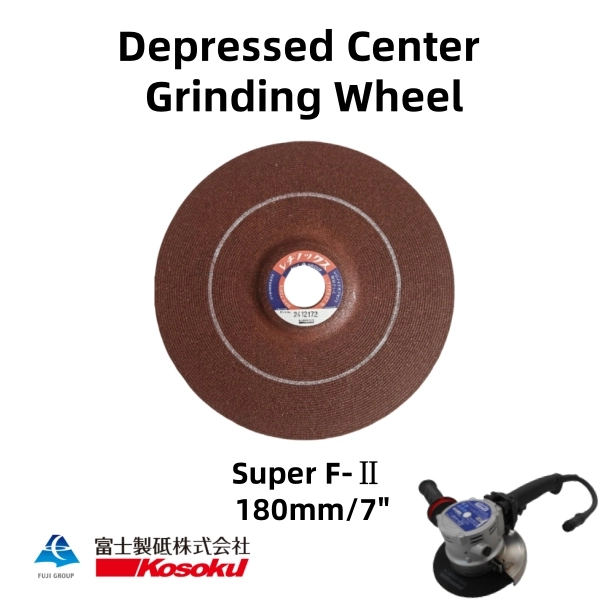
FUJI Super F-2 180*7mm: Exceptional Grinding Power and Durability
The FUJI F-2 180*7mm Grinding Wheel offers superior grinding performance with 30% more durability than standard wheels. These wheels generate significantly less waste through extended service life, providing both economic and environmental benefits.
Notable Features:
30% increased lifespan compared to traditional wheels
Diameter: 7"/ 180mm for heavy duty rough grinding applications
Reinforced structure withstands aggressive grinding pressures
Universal application for various steel grades and cast metals
How to Choose the Right Grinding Wheel
To select the right FUJI Grinding Wheel, follow this expert framework: Identify your workpiece material , define the task , match the wheel diameter to your grinder’s RPM, consider the environment, and select grit/bond.
Selecting the correct abrasive based on your workpiece material:
- Carbon Steel, Alloy Steel: Aluminum Oxide (A, WA) wheels
- Stainless Steel, Special Alloys: FUJI CW Series with proper grit selection
- Cast Iron, Non-Ferrous Metals: Silicon carbide or specialized blends
- General Steel, Castings: FUJI F-1 Series for balanced performance and economy
~Application-Based Selection
Different applications require specific wheel characteristics:
- Heavy Stock Removal: Coarse grit (24-36), Type 27 or 28 wheels
- Weld Removal and Cleaning: Type 1 snagging wheels for precise work
- Surface Finishing: Medium to fine grit (46-80) for smoother results
- Contour or Angle Grinding: Type 27 and 28 wheels at appropriate working angles
~Wheel Specification and Size
Proper wheel sizing ensures safety and performance:
- Diameter: Must match tool specifications and safety guard requirements
- Thickness: Affects precision and wheel life (standard is approximately 1/4-inch)
- Arbor Hole: Must precisely fit the grinder spindle (common sizes: 15mm, 22mm)
- Maximum RPM: Never exceed the wheel's rated speed
Solving Common Grinding Challenges with FUJI Wheels
- Problem: Wheel Wears Too Fast
- Solution: FUJI Super F-2 Series wheels with advanced durability technologies provide up to 30% longer life, reducing replacement frequency and downtime while maintaining consistent performance throughout the wheel's lifespan.
- Problem: Difficult Material Removal on Stainless Steel
- Solution: FUJI Super-W Series wheels are specifically formulated for stainless and special steels, offering the perfect balance of aggressive cutting and finish quality without compromising workpiece properties.
- Problem: Vibration and Chatter
- Solution: Proper wheel selection combined with FUJI's balanced construction ensures smooth operation. The reinforced fiberglass provides stability during aggressive grinding, reducing vibration for better control and finish quality.
- Problem: Heat Discoloration
- Solution: Selecting the correct abrasive type and grit size prevents excessive heat buildup. FUJI's consistent grain distribution and bond system promote efficient cutting action with minimal heat transfer to the workpiece.
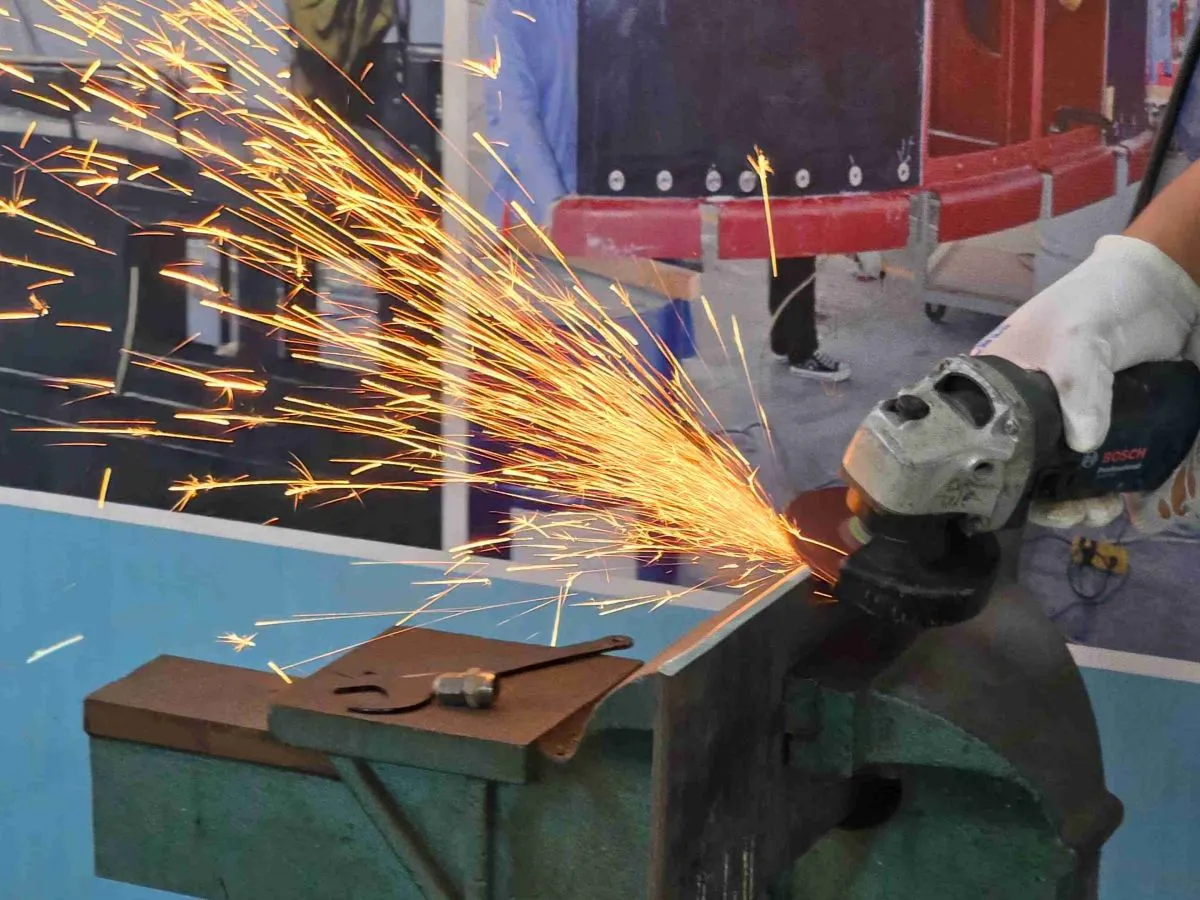
Best Practices for Grinding Wheel Safety
Always inspect wheels before use for cracks or irregularities
Use appropriate guards and PPE at all times
Never exceed the recommended maximum RPM
Match the wheel to both material and tool requirements
Follow manufacturer storage and handling instructions precisely
Conclusion
Choosing the right grinding wheel involves careful consideration of materials, applications, and performance requirements. FUJI grinding wheels provide engineered solutions to common metalworking challenges, with the Super W Series for stainless/special alloys and Super F-2 Series for enhanced durability addressing specific productivity needs.
Understanding wheel types, specifications, and proper application techniques significantly improves operational efficiency, finish quality, and cost-effectiveness. Whether you're engaged in heavy stock removal, precision finishing, or special alloy work, FUJI delivers grinding solutions that combine Japanese engineering excellence with practical performance benefits for industrial applications.


This is a really nice topic, and it’s a pleasure you can also read - Grinding Wheel Manufacturer in Chennai with Hindustan Abrasives
ReplyDeleteHindustana Abrasives: Your Trusted Partner for High-Quality Grinding Wheels. Are you searching for a reliable Grinding Wheel Manufacturer in Chennai? Look no further than Hindustana Abrasives. With years of experience in the industry, we offer a wide range of premium-quality grinding wheels to cater to diverse industrial needs.