Revolutionizing Metal Grinding: Addressing Industry Challenges with FUJI Grinding Wheels
- Get link
- X
- Other Apps
Table of Contents
- Introduction to Metal Grinding Challenges
- The Critical Challenge of Substandard Grinding Wheels
- Problem in Modern Grinding Operations
3.1 Wheel Wear and Dulling
3.2 Thermal Damage and Surface Integrity Issues
3.3 Workpiece Deformation and Precision Challenges - Safety Risks and Environmental Impact
- Economic Considerations in Grinding Operations
- FUJI Grinding Wheel: Excellence in Manufacturing and Quality Assurance
- FUJI's Comprehensive Product Portfolio for Diverse Applications
7.1 Super F2 Series: For Heavy-Duty Grinding
7.2 Green Star Series: Thermal-Sensitive Applications
7.3 JITAN Series: Premium Performance Across Materials - Case Studies and Performance Validation
- Future Trends in Grinding Technology and FUJI's Roadmap
- Conclusion: The Path Forward with FUJI Grinding Wheels
Metal Grinding Challenges and FUJI's Innovative Solutions
1. Introduction to Metal Grinding Challenges
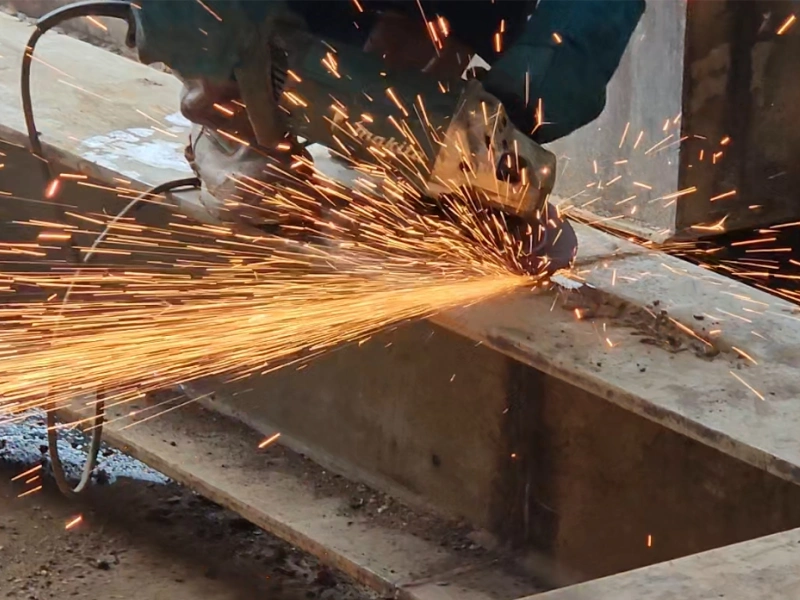
Metal grinding remains an essential manufacturing process across industries from aerospace to automotive, yet it faces significant challenges in the modern industrial landscape. The grinding process, which involves the removal of material using abrasive particles bonded together in wheel form, must balance efficiency, quality, and safety while increasingly addressing environmental concerns. Despite technological advancements, issues such as wheel wear, thermal damage, safety risks, and environmental impact continue to plague operations worldwide. These challenges become particularly pronounced with the proliferation of substandard grinding wheels in the market, which compromise not only quality but also workplace safety.This comprehensive analysis examines these pressing challenges and explores how FUJI Grinding Wheels, with over seven decades of manufacturing excellence and dual JIS/ISO certification, provides innovative solutions that address these industry pain points while enhancing operational efficiency and sustainability.
2. The Critical Challenge of Substandard Grinding Wheels
The market is flooded with inexpensive, counterfeit grinding wheels that present severe safety risks and performance issues. These substandard products, often produced with minimal quality control, fail to meet basic safety standards and manufacturing specifications. The consequences of using these wheels extend beyond mere operational inefficiency—they create genuine hazards in the workplace. Poor-quality grinding wheels are prone to catastrophic failure during operation, potentially causing serious injuries to operators and damage to equipment. The inconsistent composition of these wheels leads to uneven wear patterns, reducing grinding efficiency and resulting in irregular surface finishes on workpieces. Furthermore, these wheels often wear out rapidly, increasing consumption rates and ultimately raising production costs despite their lower initial price point.FUJI Grinding Wheels addresses this critical market gap through rigorous quality control and adherence to both JIS (Japanese Industrial Standards) and ISO international standards. Every FUJI wheel undergoes comprehensive testing to ensure structural integrity, compositional consistency, and performance reliability. This commitment to excellence has established FUJI as a trusted brand in industrial grinding applications worldwide, with a safety record that speaks to the effectiveness of their quality assurance processes.
3. Problem in Modern Grinding Operations
3.1 Wheel Wear and Dulling
The rapid wear and dulling of grinding wheels represent one of the most persistent challenges in metalworking operations. As abrasive grains become dull through use, grinding efficiency decreases while grinding forces and heat generation increase substantially. This phenomenon necessitates more frequent wheel dressing and replacement, leading to increased downtime and reduced productivity.The economic impact of wheel wear extends beyond the cost of replacement wheels themselves. The cumulative downtime for wheel changes translates to significant losses in production capacity over time. Additionally, increased power consumption required to maintain material removal rates with dull wheels contributes to higher energy costs and reduced environmental sustainability.
FUJI's approach to this challenge involves advanced grain technology and optimized bond formulations that maintain sharp cutting edges longer than conventional wheels. The carefully engineered balance between abrasive hardness and self-sharpening characteristics ensures consistent performance throughout the wheel's lifespan, reducing frequency of changes and maintaining operational efficiency.
3.2 Thermal Damage and Surface Integrity Issues
Thermal damage remains a critical concern in precision grinding applications. Excessive heat generation during grinding can induce surface burns, micro-cracks, residual stresses, and metamorphic layers that compromise the integrity of the finished workpiece. These defects are particularly problematic in critical components where fatigue resistance and dimensional stability are essential for performance and safety.The aviation, automotive, and energy sectors especially face stringent requirements for surface integrity. Thermal damage often necessitates additional rework processes or may even render expensive components scrap, resulting in substantial economic losses.
FUJI's Green Star series specifically addresses these thermal challenges through innovative wheel designs that dissipate heat more effectively and reduce the total thermal energy transferred to the workpiece. The unique composition of these wheels minimizes the need for aggressive cooling methods, thereby reducing associated environmental impacts while preserving surface integrity.
3.3 Workpiece Deformation and Precision Challenges
The grinding forces applied to workpieces, especially those with delicate geometries or thin sections, can cause elastic or plastic deformation that compromises dimensional accuracy. The dilemma faced by operators involves balancing material removal requirements against the potential for damaging the workpiece. Excessive force causes deformation, while overly conservative approaches prolong processing time and reduce productivity. This balancing act becomes even more challenging when working with expensive materials where scrap losses significantly impact profitability. FUJI's solution incorporates precisely engineered abrasive distributions and optimized bond strength that maintain aggressive material removal while minimizing grinding forces. This approach allows operators to achieve required material removal rates without compromising workpiece geometry or surface quality, effectively addressing the precision challenge in demanding applications.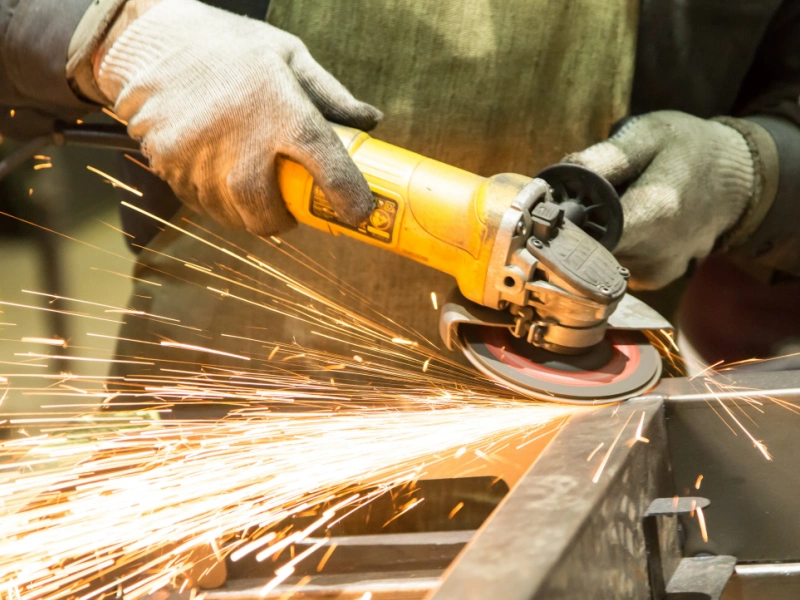
4. Safety Risks and Environmental Impact
Grinding operations inherently present safety risks, but these are exacerbated by substandard equipment. Poor-quality grinding wheels may crack or disintegrate during operation, creating high-velocity projectile hazards that can cause serious injury to operators or damage to equipment. The potential for spark-induced fires represents another significant risk, particularly in facilities handling combustible materials. Beyond immediate safety concerns, traditional grinding processes generate substantial environmental challenges. The process typically produces waste in the form of swarf (metal particles), used abrasive materials. These byproducts require proper handling and disposal to minimize environmental impact.
Additionally, grinding operations consume significant energy and generate noise pollution that affects the working environment. FUJI addresses these concerns through wheels designed for exceptional structural integrity and controlled spark generation. The company's manufacturing process ensures homogeneous distribution of abrasives and bonds throughout the wheel structure, eliminating weak points that could lead to catastrophic failure. Furthermore, FUJI's JITAN series specifically minimizes spark generation through unique grain geometry that reduces friction during material removal, simultaneously enhancing safety and reducing fire risks.
5. Economic Considerations in Grinding Operations
The economic impact of grinding operations extends far beyond the initial purchase price of consumables. Companies must consider the total cost of ownership, which includes wheel life, downtime for changes, energy consumption, and potential scrap losses due to quality issues. The emphasis on initial cost savings often leads to false economy when cheaper wheels require more frequent replacement or cause quality problems that necessitate rework. The need for skilled operators represents another significant economic factor in grinding operations. As experienced machinists retire, fewer trained professionals are available to compensate for the deficiencies of inferior grinding wheels through technique and experience. This skills gap increases the economic value of consistent, predictable grinding wheels that produce quality results regardless of operator experience level.FUJI's approach to economic efficiency involves optimizing cost-per-ground-part rather than focusing solely on initial wheel cost. Through extended service life, reduced changeover time, and consistent performance that minimizes scrap losses, FUJI wheels deliver superior economic value despite potentially higher initial investment. This comprehensive view of operational economics has established FUJI as a preferred choice for cost-conscious manufacturers focused on total productivity rather than mere piece price.
6. FUJI Grinding Wheel: Excellence in Manufacturing and Quality Assurance
With over 70 years of manufacturing experience accumulation, FUJI Grinding Wheel has refined its manufacturing processes to unprecedented levels of precision and consistency. The company's dedication to excellence begins with raw material selection and extends through every phase of production, resulting in products that deliver reliable performance batch after batch.FUJI's quality assurance system incorporates dual certification under both JIS and ISO standards, ensuring that products meet the most rigorous international quality benchmarks. This dual-standard approach means that FUJI wheels consistently outperform products designed to meet only basic requirements. The company's manufacturing facilities employ strict process control and advanced monitoring techniques to maintain tolerances that far exceed industry norms. The technical expertise accumulated over seven decades of specialization enables FUJI to engineer solutions for specific application challenges that general manufacturers cannot address effectively. This application-specific approach to wheel design considers factors including workpiece material properties, operational parameters, and desired output quality to deliver optimized performance in each use case.
7. FUJI's Comprehensive Product Portfolio for Diverse Applications
7.1 Super F2 Series: For Heavy-Duty Grinding
The Super F2 series represents FUJI's solution for demanding heavy-duty grinding applications where material removal rate and wheel durability are paramount concerns. These wheels are engineered with robust grain structure and advanced bond formulations that withstand aggressive grinding conditions while maintaining cutting efficiency.Key benefits of the Super F2 series include:
· Exceptional durability that reduces wheel consumption rates
· High material removal rates that shorten processing time
· Consistent performance across diverse ferrous materials
· Economic efficiency through extended service life
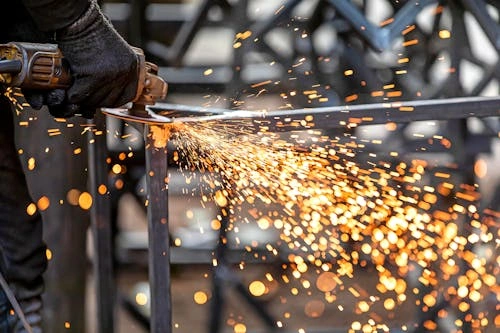
The Super F2 series is particularly suited for applications in steel fabrication, foundry operations, and heavy equipment manufacturing where productivity demands outweigh surface finish requirements. Despite their aggressive performance characteristics, these wheels maintain FUJI's signature safety standards through controlled wear patterns and structural integrity.
7.2 Green Star Series: Thermal-Sensitive Applications
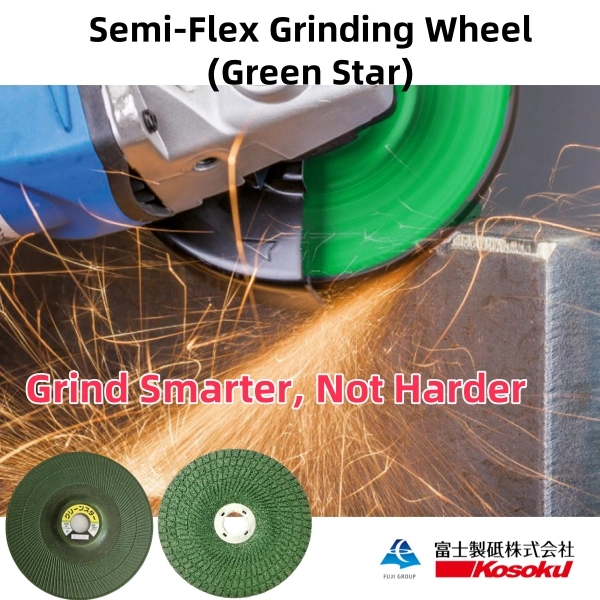
The Green Star series addresses the critical challenge of heat management in precision grinding operations. Through innovative wheel composition and structure, these wheels dissipate heat effectively and minimize the transmission of thermal energy to the workpiece, thereby preserving metallurgical properties and surface integrity.Notable features of the Green Star series include:
·Superior heat dissipation that prevents workpiece thermal damage
·Reduced grinding forces that minimize operator fatigue
·Consistent surface finish quality across extended production runs
·Environmentally friendly operation with reduced cooling requirements.
This product line finds particular application in precision instrument manufacturing, stainless steel component production, and tool sharpening operations where thermal alteration of the workpiece surface would compromise product functionality or service life. The Green Star series demonstrates FUJI's commitment to technological innovation that addresses specific industrial challenges beyond mere abrasive performance.
7.3 JITAN Series: Premium Performance Across Materials
The JITAN series represents the pinnacle of FUJI's grinding wheel technology, incorporating the company's most advanced abrasives and bond systems to deliver premium performance across diverse materials and applications. These wheels are manufactured to Japan's highest quality standards and undergo additional quality verification processes to ensure exceptional consistency and reliability.The JITAN series offers:
·Versatile application across ferrous and non-ferrous materials
·Minimal spark generation for enhanced safety
·Superior surface finishes that reduce or eliminate secondary operations
·Vibration damping characteristics that improve operator comfort
As a comprehensive solution for facilities processing multiple materials, the JITAN series reduces inventory requirements by replacing application-specific wheels with a single versatile product. This flexibility, combined with exceptional performance characteristics, makes the JITAN series particularly valuable for job shops and maintenance facilities where operational requirements vary significantly from task to task.
8. Case Studies and Performance Validation
FUJI Grinding Wheels present a comprehensive solution to these challenges through 70 years of specialized expertise, rigorous quality standards, and application-specific product designs. The company's diverse product portfolio addresses the full spectrum of industrial grinding needs, from heavy material removal to precision surface finishing, explaining their widespread adoption across Japanese metalworking factories and shipyards in the Philippines and Indonesia.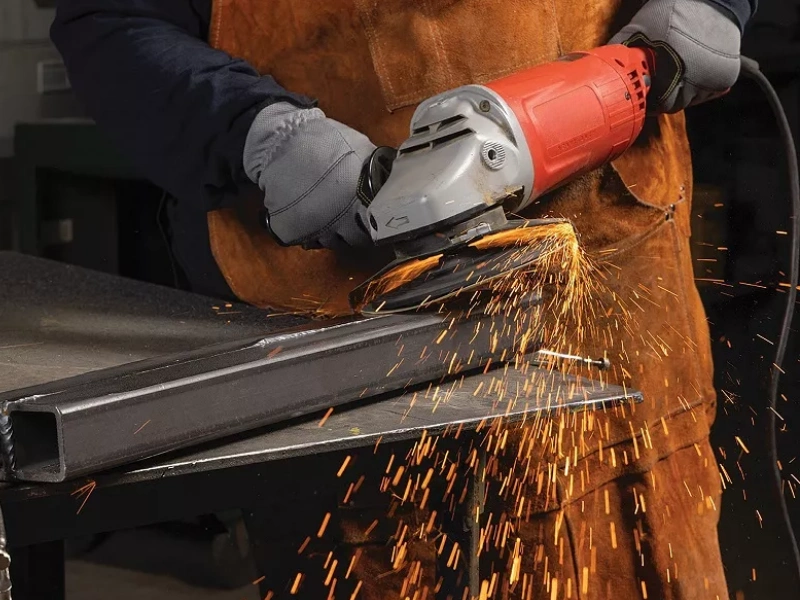
Japan's Kimura Manufacturing Co., Ltd., a professional metal processor with extensive experience testing grinding tools, highly praises the JITAN 100*6mm Grinding Wheel for its standout performance: it delivers exceptionally smooth grinding (outperforming traditional wheels by avoiding uneven material removal, vibration, or scratches and cutting down post-grinding touch-ups), exhibits strong compatibility with steel (effortlessly handling mild, carbon, and alloy steel without extra pressure or repeated speed adjustments to boost efficiency via reduced processing time), maintains sharpness and structural stability even after busy shift (no premature wear/deformation), and has become a go-to workshop tool—with the company planning to order more for other production lines, making it a recommended solution for metalworking businesses seeking reliability and high performance.
In Philippine shipyards, implementation of FUJI's Super F2 series for weld preparation and finishing operations has demonstrated average wheel life increases of 30% while maintaining material removal rates equivalent to previously used products. This dramatic improvement in consumption rates justified the premium purchase price through reduced changeover frequency and lower inventory requirements.
Indonesian manufacturing operations have highlighted the safety benefits of FUJI wheels, with several facilities reporting elimination of wheel-related incidents after standardizing on FUJI products across all grinding operations. The improved consistency also reduced operator-to-operator variation, contributing to more predictable quality outcomes in diverse metalworking applications. These real-world performance demonstrations across Asian industrial sectors confirm the theoretical advantages of FUJI's engineering approach and provide economic justification for selecting premium grinding wheels despite higher initial costs.
9. Future Trends in Grinding Technology and FUJI's Roadmap
The future of grinding technology continues to evolve toward greater automation, enhanced sustainability, and improved integration with manufacturing systems. Building on its recognized performance and strong reputation in Japan's abrasive tools industry, FUJI Grinding Wheel is expanding globally—partnering with Pio-Ship System (Japan) as its exclusive international business division, which will fully handle overseas market expansion and exclusive marketing of FUJI's grinding wheel products. With the goal of becoming a world-renowned brand, FUJI aims to bring its comprehensive cutting, grinding, and metal abrasive solutions to global customers.Staying committed to "Products Well-Liked by the World," it will prioritize safety and quality to meet strict international standards. Leveraging technical expertise and Pio Ship's support, FUJI will explore new markets, build overseas partnerships, and tailor solutions locally, poised to become a trusted global choice for high-performance abrasives. Additionally, the industry-wide push toward sustainable manufacturing practices influences FUJI's product development through reduced energy consumption designs and formulations that minimize environmental impact. The company's ongoing research into alternative bond systems and abrasive materials aims to further improve performance while reducing the ecological footprint of grinding operations. As grinding operations become increasingly automated and optimized, the predictable performance of premium wheels becomes ever more valuable to overall equipment effectiveness.
10. Conclusion: The Path Forward with FUJI Grinding Wheels
The challenges facing metal grinding operations are significant and multifaceted, encompassing quality, safety, economic, and environmental considerations. While inexpensive, substandard grinding wheels may appear attractive based on initial cost, their hidden expenses in terms of compromised safety, reduced efficiency, and quality issues ultimately outweigh apparent savings. FUJI Grinding Wheels presents a comprehensive solution to these challenges through 70 years of specialized expertise, rigorous quality standards, and application-specific product designs. The company's diverse product portfolio addresses the full spectrum of industrial grinding needs, from heavy material removal to precision surface finishing. The economic case for selecting FUJI wheels strengthens when considering total operational costs rather than mere piece price. The extended service life, reduced changeover requirements, and improved quality outcomes deliver genuine value that justifies investment in premium abrasives.By addressing both current challenges and future trends, FUJI Grinding Wheels offers a path forward for metalworking operations seeking to improve safety, quality, and productivity simultaneously. The company's commitment to research and development ensures that FUJI products will continue incorporating advancing technologies to meet emerging challenges, maintaining their position at the forefront of grinding technology for decades to come. For manufacturers seeking to optimize their grinding operations, partnership with FUJI represents an investment in quality, safety, and long-term operational excellence.
If you found our article helpful, we’d love for you to share it with anyone who could benefit from it! Your support helps us bring useful content to more people—thank you!
- Get link
- X
- Other Apps


This is a really nice topic, and it’s a pleasure you can also read - Grinding Wheel Manufacturer in Belgaum with Hindustan Abrasives
ReplyDeleteHindustan Abrasives: Your Trusted Partner for Quality Grinding Wheels. Are you looking for a reliable Grinding Wheel Manufacturer in Belgaum? Look no further than Hindustan Abrasives. With years of experience in the industry, we specialize in producing high-quality grinding wheels that meet the diverse needs of various industries.